Analysis/7 August 2025
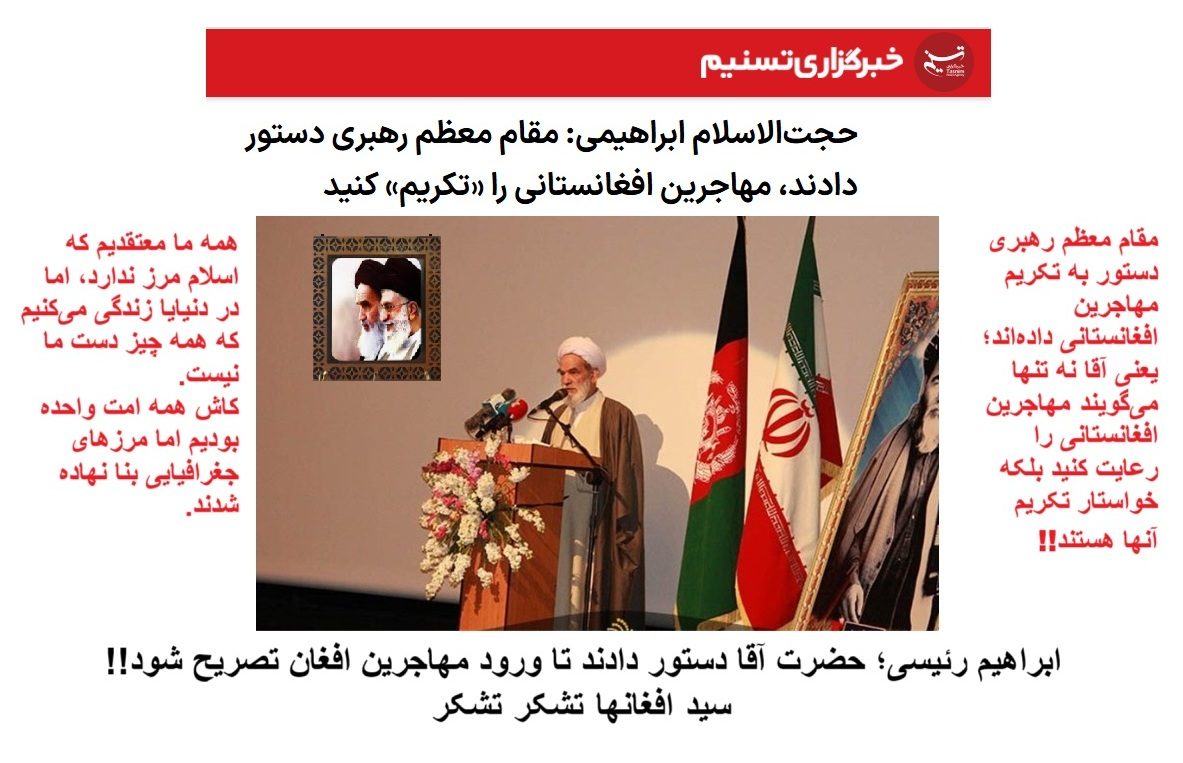
The project of bringing Afghans into Iran by the million was ordered by Khamenei
The secretariat says the organized arrival of Afghan migrants in the 1400s was ordered by Khamenei, managed under Ebrahim Raisi, and drawn up by the Paydari Front and Imam Sadiq University.
According to a short analysis by the secretariat of the Azarbaijan Movement for Democracy and Integrity of Iran, the organized and large-scale arrival of Afghan migrants into Iran in the solar 1400s was ordered directly by Khamenei, leader of the Islamic Republic, managed by the government of Ebrahim Raisi, and designed by the Paydari Front and Imam Sadiq University.
The purposes behind the plan:
A. To change the young population of the country from a society that is mostly dissatisfied, secular, and distrustful of the rulers into a population that is devout, traditional, obedient, and undemanding, so that in a crisis it can be used to contain discontent and suppress protest.
B. To use Afghan migrants for political and security purposes: organized voting for the candidates the rulers prefer, including the Paydari Front and the supporters of Mojtaba Khamenei; a supply of cheap and loyal manpower for repressive bodies such as the Basij; a demographic counterweight to rival currents inside the system, such as the reformists; and encouragement of a higher birth rate and of a tradition-centered layer, with religious motives.
A historical comparison of Afghan migrants with the Byzantine Empire and Greece:
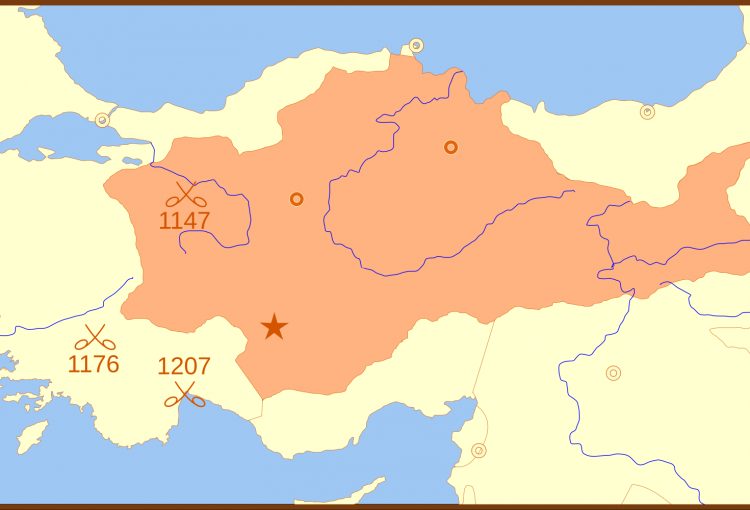
To drive out the Romans, the Byzantine Empire brought ten thousand Turkic mercenaries from the Kipchak steppe into Anatolia and defeated the Roman forces. After the victory those forces did not return to Turkestan. They demanded a share of the conquered lands. That course gradually fixed a Turkic presence in Anatolia and, over time, produced Turkic dynasties such as the Seljuks of Rum and, in the end, the Ottoman Empire, which itself founded today’s Turkey.
Mullah Khamenei, as with most of his large decisions, thinks only of his own survival and of his son Mojtaba succeeding him. Measuring anything against that idea also costs him what little judgment he has. Bringing nearly ten million Afghans into Iran can do to Iran exactly what happened to Byzantium, especially in light of the bitter historical experience we have of Ashraf the Afghan.
Ashraf the Afghan, defeated by his rivals, first intended to take refuge in Iran. Because of the weakness of Shah Tahmasp II, and after the siege and his defeat, Isfahan fell in the solar year 1101 and Ashraf seized power. He ruled Iran for a time, until in 1108 he was defeated by Nader Shah the Great and fled to Khorasan.
Secretariat of the Azarbaijan Movement
7 August 2025